
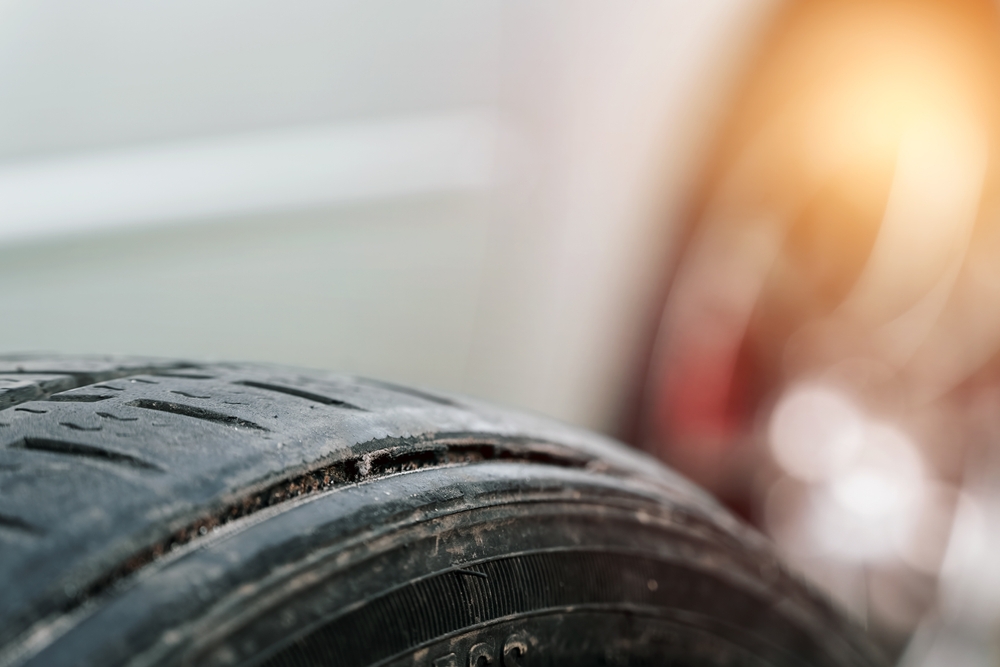
Not sure if your tires still have life in them — or if you’re pushing your luck?
Tire wear isn’t always obvious, but it plays a major role in how well your vehicle grips the road, stops in time, and handles in bad weather. Here’s how to check your tires and know when it’s time to replace them.
1. Check the Tread Depth
The simplest way to check your tread is with a penny:
- Insert the penny with Lincoln’s head facing down into a tire groove.
- If you can see all of Lincoln’s head, your tread is too low.
Most new tires start with 10/32″–12/32″ of tread. Once they’re down to 2/32″, it’s time for replacement — and you may already be losing traction in rain or snow before then.
2. Look for Uneven Wear
If your tread is deeper on one side than the other — or if one tire is wearing faster than the rest — that’s a red flag.
Causes of uneven wear include:
- Improper inflation
- Poor alignment
- Worn suspension components
- Skipped tire rotations
Catching uneven wear early can save you from needing four new tires.
3. Cracks, Bulges, or Sidewall Damage
Even if your tread looks fine, take a look at the sidewalls. Cracks, cuts, or bulges are signs that the tire structure may be compromised.
If you see:
- Deep sidewall cracks
- A bubble or blister
- Visible cords or fabric
… it’s time for replacement — and possibly an inspection of your alignment or suspension.
4. Tire Age
Tires wear down over time, even if you don’t drive much. Most manufacturers recommend replacing tires every 6 to 10 years, regardless of mileage.
Check the DOT code on your tire’s sidewall — the last four digits show the week and year of manufacture (e.g., 4019 = 40th week of 2019).
5. Vibration or Noise While Driving
A bumpy ride, steering wheel vibration, or loud road noise can sometimes be traced back to worn or uneven tires. It might also indicate internal damage or imbalance — all of which affect safety and performance.
6. Tire Wear Bars Are Visible
Modern tires have wear indicator bars molded into the tread. If those bars are flush with the tread surface, your tires are officially worn out.
Final Thought
Worn tires don’t just impact traction — they impact your safety. Whether it’s slippery roads, hard braking, or sudden turns, your tires are your first line of defense.
If you’re not sure whether it’s time to replace them, bring your vehicle to OK Tire Store & Service. We’ll measure your tread depth, check for wear patterns, and help you decide what’s best for your vehicle and driving needs.
FAQ: Tire Wear Questions
How long should a set of tires last?
Most last between 40,000–70,000 miles depending on the type of tire, driving habits, and maintenance.
Do tires wear out faster in cold weather?
Cold temps can stiffen rubber and reduce flexibility, especially in all-season tires. Winter tires wear faster if used in warm weather.
Can one worn tire be replaced, or do I need all four?
It depends on tread depth and drivetrain. AWD vehicles often require matched tires. Ask for a tread depth check before deciding.
Are tires still good if they look fine?
Not always. Rubber degrades over time. If your tires are more than 6 years old, they may need replacing even with decent tread.