
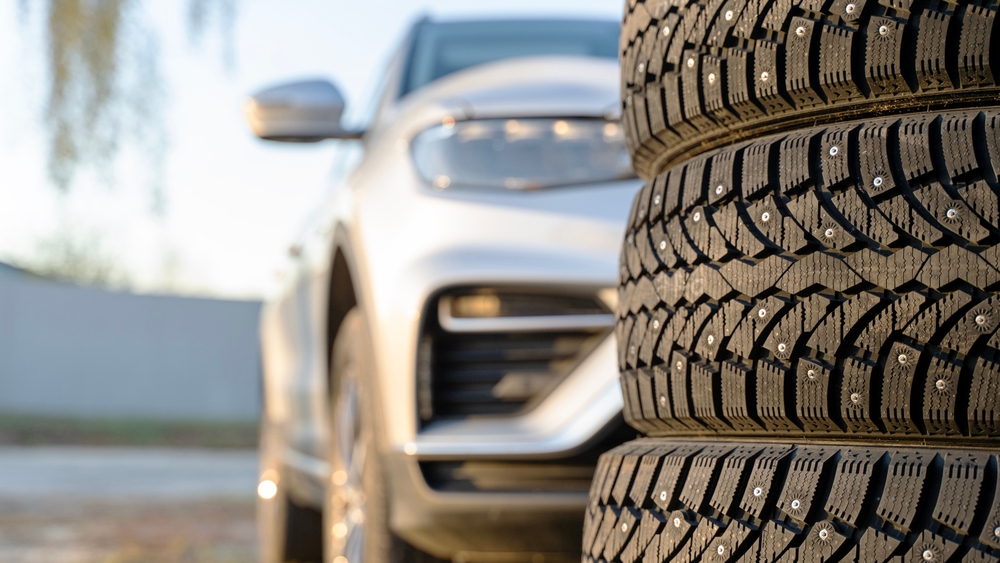
If you drive in North Dakota or Minnesota, winter tire timing matters.
Switch too early, and your winter tires can wear faster on warm pavement. Wait too long, and you may find yourself driving on cold, slick roads with tires that are not built for the conditions.
So when is the right time to make the switch?
A good rule of thumb is to install winter tires when temperatures are consistently below 45°F — even if there is no snow on the ground yet.
Why 45°F Matters
Winter tires are made with rubber compounds that stay more flexible in cold weather. That flexibility helps improve traction, braking, and handling when temperatures drop.
All-season tires are designed to handle a wide range of conditions, but they can stiffen in colder weather. Once temperatures consistently fall below 45°F, they may not grip the road as well — especially on ice, packed snow, or cold pavement.
That is why winter tires are about more than snow. They are built for cold.
When Drivers in North Dakota and Minnesota Should Plan Ahead
In much of North Dakota and Minnesota, the best time to start thinking about winter tires is early to mid-fall.
You do not have to wait for the first snowstorm. In fact, waiting too long can make scheduling harder once everyone else is trying to get in at the same time.
For many drivers, switching in October or early November makes sense, depending on the weather and driving conditions.
Should I Wait Until It Snows?
It is better not to wait for the first snowfall.
Roads can become slick before snow starts accumulating, especially during cold mornings, freezing rain, or early-season ice. If your tires are already losing grip in colder temperatures, you may notice longer stopping distances before winter weather fully arrives.
Switching before the first major storm helps you avoid the rush and gives you better traction when conditions change quickly.
Do I Need Winter Tires If I Have All-Wheel Drive?
All-wheel drive can help your vehicle accelerate, but it does not help much when it comes to stopping.
Winter tires improve grip during braking, cornering, and steering. That matters whether your vehicle is front-wheel drive, rear-wheel drive, or all-wheel drive.
If you drive regularly in snow, ice, or rural winter conditions, winter tires can make a noticeable difference. Our tire installation services can help make sure your winter tires are mounted, balanced, and ready for the season.
What Happens If I Leave Winter Tires on Too Long?
Winter tires are not designed for warm weather.
If you keep them on once temperatures rise, the softer rubber can wear down faster. You may also notice reduced handling and more road noise on dry, warm pavement.
Once spring temperatures are consistently above 45°F, it is usually time to switch back to all-season or summer tires.
When to Schedule Your Tire Changeover
The best time to schedule your winter tire installation is before the first major cold snap or snowstorm.
If your current tires are worn, uneven, or older than expected, it is also a good time to have them inspected before winter driving begins. A quick tire pressure monitoring system check can also help make sure your low-pressure warnings are working correctly before colder weather arrives.
At OK Tire Store & Service, we can check your tread depth, inspect your tires, and help you decide whether winter tires make sense for your vehicle and driving habits.
The Bottom Line
In North Dakota and Minnesota, winter tire timing should be based on temperature — not just snow.
When temperatures consistently drop below 45°F, it is time to consider making the switch. Planning ahead helps protect your traction, your stopping distance, and your confidence on winter roads.
If you are not sure whether your tires are ready for the season, a quick inspection can help you make the right call.
FAQ: Winter Tire Timing Questions
When should I put winter tires on in North Dakota and Minnesota?
A good rule of thumb is to switch when temperatures are consistently below 45°F, usually sometime in October or early November depending on the weather.
Can I wait until the first snow to install winter tires?
You can, but it is not ideal. Cold pavement, freezing rain, and early ice can affect traction before snow accumulates.
Do winter tires help on ice?
Yes. Winter tires are designed to stay flexible in cold weather and provide better grip on snow, ice, and cold pavement.
When should I take winter tires off?
Once temperatures are consistently above 45°F in the spring, it is usually time to switch back to all-season or summer tires.