
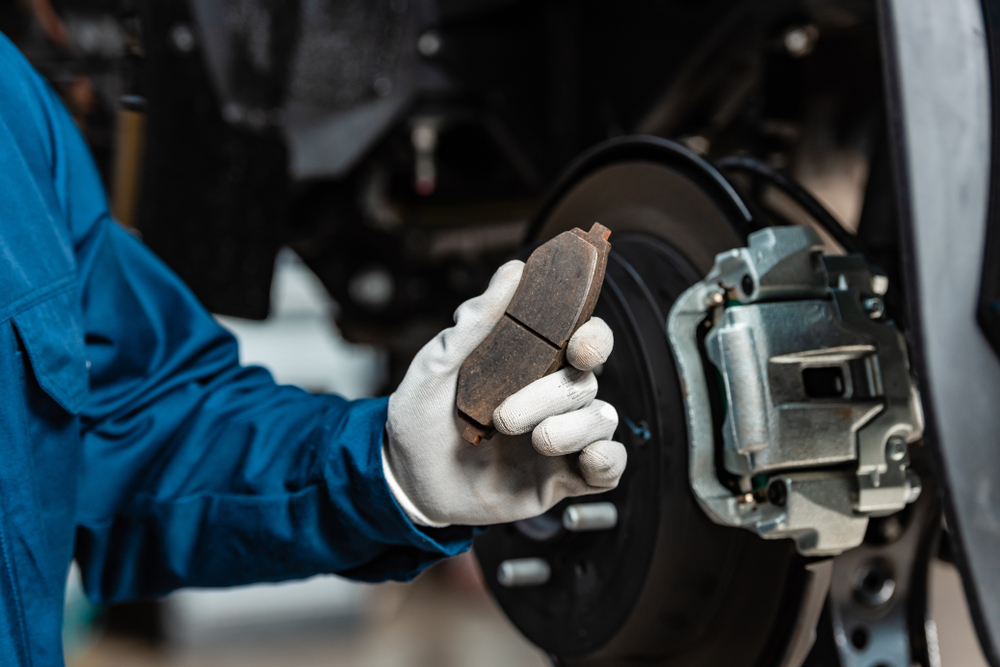
If you’re wondering how long your brake pads should last, the honest answer is: it depends.
Most brake pads last between 30,000 and 70,000 miles, but that range can vary quite a bit based on how you drive, where you drive, and the type of brake pads on your vehicle.
Some drivers may need new brake pads sooner. Others may get more mileage out of them. The important thing is knowing what affects brake wear and when it’s time to have them checked.
What Affects Brake Pad Life?
Brake pads wear down every time you slow or stop your vehicle. That’s normal. But some driving habits and road conditions wear them down faster than others.
If you do a lot of stop-and-go driving, your brake pads will usually wear faster. City driving, frequent short trips, heavy traffic, towing, and hard braking all put extra stress on the braking system.
Weather and road conditions can also play a role. In North Dakota and Minnesota, winter driving often means more braking on slick roads, plus exposure to salt, slush, and moisture. Over time, that can contribute to faster wear and corrosion.
Front vs. Rear Brake Pad Wear
Front brake pads often wear out faster than rear brake pads because the front brakes handle more of the stopping force.
That doesn’t mean the rear brakes should be ignored. Rear pads can still wear unevenly or develop issues, especially if there are problems with calipers, rotors, or brake hardware.
A proper brake inspection checks all four wheels so you know exactly what needs attention.
How Do You Know When Brake Pads Are Getting Low?
Brake pads usually give warning signs before they are completely worn out.
Common signs include squealing, grinding, longer stopping distances, vibration when braking, or a brake warning light. You may also notice the brake pedal feels different than usual.
If you hear grinding, don’t wait. That can mean the pad material is worn down and metal is contacting the rotor, which can lead to more expensive repairs.
Can Brake Pads Wear Out Before 30,000 Miles?
Yes, they can.
Brake pads may wear out early if you drive aggressively, tow heavy loads, ride the brakes, or spend a lot of time in stop-and-go traffic.
Some vehicles are also harder on brakes than others. Larger vehicles, trucks, and SUVs may wear through pads faster because they carry more weight and require more stopping power.
Can Brake Pads Last Longer Than 70,000 Miles?
In some cases, yes.
Drivers who spend most of their time on open highways may get more life out of their brake pads because they brake less often. Smooth driving habits also help extend brake life.
Still, mileage alone should not be the only guide. Brake pads can wear unevenly, and other brake components may need attention even if the pads still have material left.
Why Regular Brake Inspections Matter
Brake pad wear is easier and less expensive to address early.
Replacing worn pads on time can help protect your rotors and keep your vehicle stopping the way it should. Waiting too long can turn a simple brake pad replacement into a more involved brake repair.
At OK Tire Store & Service, we can inspect your brake pads, rotors, and related components to help you understand how much life is left and what needs to be done.
The Bottom Line
Most brake pads last between 30,000 and 70,000 miles, but your actual timeline depends on your vehicle, driving habits, and road conditions.
If your brakes are making noise, your stopping distance has changed, or you’re not sure when they were last checked, it’s a good idea to schedule an inspection.
Catching brake wear early can help keep you safe and prevent larger repair costs later.
FAQ: Brake Pad Life Questions
How often should brake pads be replaced?
Most brake pads need replacement somewhere between 30,000 and 70,000 miles, but the exact timing depends on driving habits, vehicle type, and brake pad material.
What happens if I wait too long to replace brake pads?
Waiting too long can damage the rotors and lead to more expensive brake repairs. It can also reduce stopping power.
Do front brake pads wear faster than rear brake pads?
Yes, front brake pads often wear faster because they handle more of the stopping force.
Can winter driving wear down brakes faster?
It can. Slick roads, stop-and-go winter driving, salt, slush, and moisture can all contribute to brake wear and corrosion.