
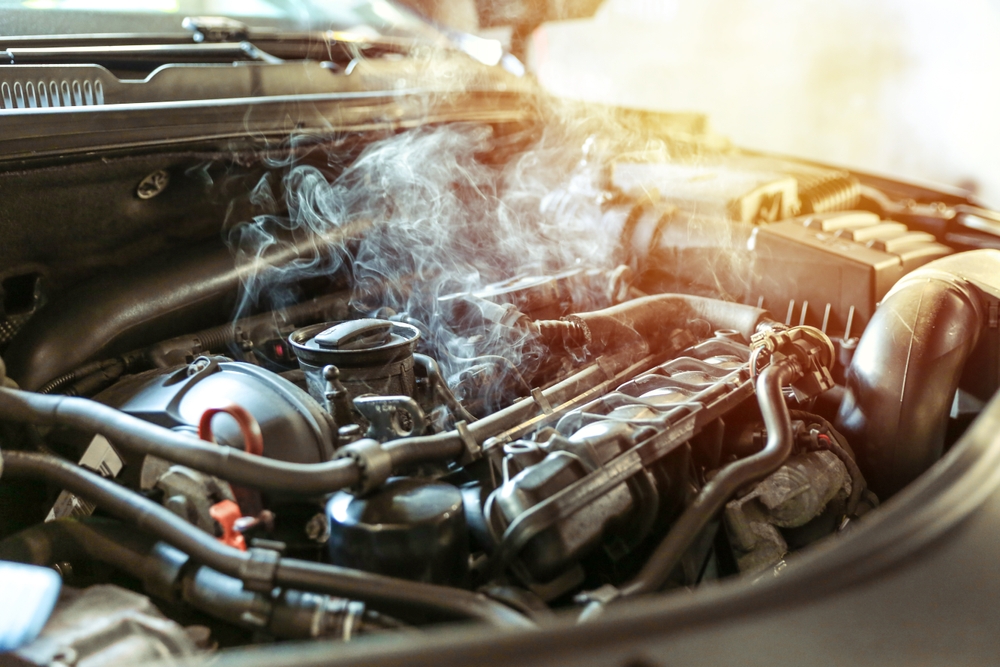
If your temperature gauge starts climbing on a hot day, it’s not something to ignore.
Summer heat puts extra stress on your vehicle’s cooling system. If something is already weak — like low coolant, a failing thermostat, or a worn-out radiator hose — high temperatures can bring the problem to the surface quickly.
Here are some of the most common reasons your car may overheat in the summer and what to do if it happens.
Low Coolant Level
Coolant helps regulate engine temperature. If the coolant level is too low, your engine can’t release heat properly.
This can happen because of a leak, evaporation over time, or a cooling system that hasn’t been serviced recently. If you notice your temperature gauge rising, low coolant is one of the first things to check.
Never remove the radiator cap while the engine is hot. The system is under pressure, and hot coolant can cause serious burns.
Cooling System Leaks
A coolant leak can happen in several places, including the radiator, hoses, water pump, or coolant reservoir.
Sometimes you’ll see a puddle under the vehicle. Other times, the leak is slow enough that you may only notice the coolant level dropping over time.
A sweet smell near the engine bay or visible residue around hoses can also point to a coolant leak.
A Bad Thermostat
The thermostat controls coolant flow through the engine. If it sticks closed, coolant can’t circulate the way it should.
When that happens, the engine temperature can rise quickly, especially in stop-and-go traffic or hot summer weather.
A failing thermostat is a relatively small part, but ignoring it can lead to much larger engine problems.
Radiator Problems
Your radiator is responsible for releasing heat from the coolant before it circulates back through the engine.
If the radiator is clogged, damaged, or blocked by debris, it may not cool the engine effectively. This can lead to overheating even when the coolant level looks normal.
Radiator issues are more likely to show up during hot weather because the cooling system has to work harder.
Worn or Damaged Hoses
Radiator and coolant hoses carry fluid throughout the cooling system. Over time, heat and pressure can cause hoses to crack, soften, or leak.
A small hose problem can turn into a major overheating issue quickly if the hose fails while driving.
If a hose looks swollen, brittle, or wet around the connection points, it should be inspected.
Water Pump Issues
The water pump keeps coolant moving through the engine. If it starts to fail, coolant may not circulate properly.
Common warning signs include overheating, coolant leaks near the front of the engine, or a whining noise from the engine area.
Because the water pump plays such an important role, it’s best to address problems early.
What Should You Do If Your Car Starts Overheating?
If your temperature gauge rises or you see steam coming from under the hood, pull over as soon as it’s safe.
Turn off the engine and let it cool before checking anything. Continuing to drive while the engine is overheating can cause serious damage.
If the temperature drops after cooling down, you may be able to drive a short distance to a repair shop, but it’s best not to push it. If the gauge climbs again, stop driving and call for help.
When to Schedule an Inspection
You should have your cooling system checked if your vehicle runs hot, loses coolant, has visible leaks, or produces unusual smells from the engine area.
It’s also smart to schedule an inspection before a long summer road trip, especially if your vehicle is older or hasn’t had the cooling system checked recently.
At OK Tire Store & Service, we can inspect your cooling system, check fluid levels, look for leaks, and help identify issues before they turn into expensive repairs.
The Bottom Line
Summer overheating is usually a sign that something in the cooling system needs attention.
Catching the issue early can help prevent engine damage, breakdowns, and costly repairs. If your vehicle is running hotter than normal, don’t wait for it to get worse.
FAQ: Summer Overheating Questions
Can I drive my car if it is overheating?
No. If the temperature gauge is high or steam is coming from the engine, pull over safely and turn the vehicle off. Driving while overheating can cause serious engine damage.
Why does my car only overheat in the summer?
Hot weather puts extra stress on the cooling system. Weak parts like hoses, thermostats, radiators, or low coolant levels may only become noticeable when temperatures rise.
Can low coolant cause overheating?
Yes. Low coolant is one of the most common causes of overheating because the engine cannot release heat properly without enough fluid.
How often should I have my cooling system checked?
It’s a good idea to have it checked at least once a year, especially before summer travel or if your vehicle is older.